
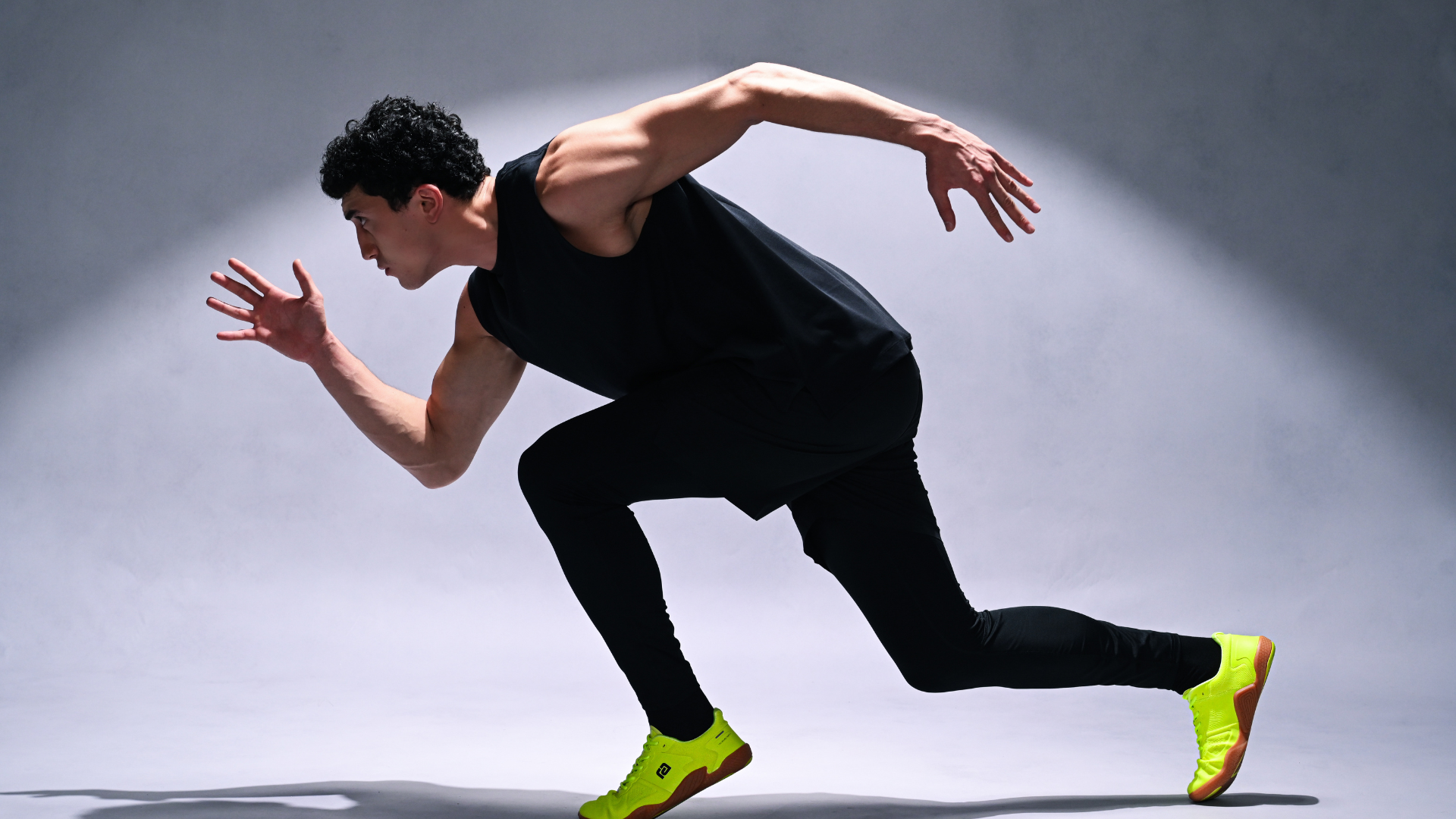
What Are Barefoot Running Shoes? A Complete Guide
The whole category begins with a fairly awkward question. Why are most shoes not shaped like the thing they are made for?
Once you notice that, barefoot running shoes start making a lot more sense.
What Are Barefoot Running Shoes?
A barefoot running shoe is built to interfere less.
The front is wide, so the toes are not being squeezed together while you run. The forefoot spreads slightly on impact, and that spread helps with balance and force distribution.
The platform stays flat. Heel and forefoot at the same level. No tilt pushing your body forward. Your weight sits more evenly, which changes how you land.
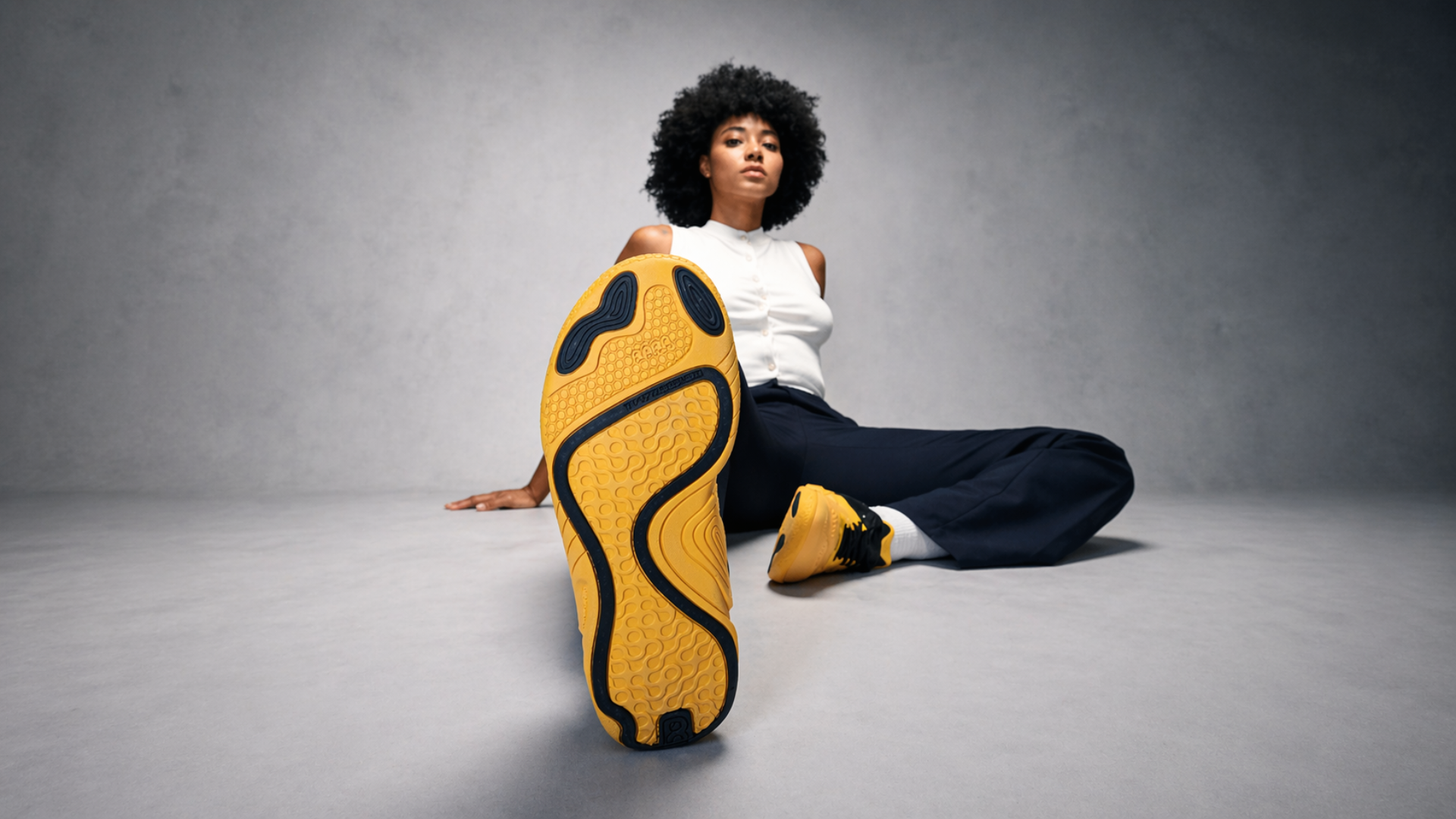
The sole bends easily. That’s what allows the foot to move through its range instead of being carried through a fixed motion. When you run, the foot loads, flexes, and adapts. A flexible sole lets that happen.
Compared to traditional footwear, barefoot running shoes India offer a more minimal and flexible design.
Key Features of Barefoot Running Shoes
-
Wide toe box is essential. Without that, it’s just a thinner running shoe.
-
Zero drop keeps posture neutral. It removes the small forward lean most running shoes introduce.
-
Flexibility allows movement. If the sole is stiff, the foot stops doing its job.
-
Low stack height keeps you closer to the ground. You feel what you’re landing on.
-
Lightweight build follows once you remove unnecessary structure.
Benefits of Barefoot Running Shoes
You don’t feel much in the first few runs. Then things start changing.
Improved Foot Strength
This is the biggest shift.
A study by Ridge et al. (2013) in Medicine & Science in Sports & Exercise found significant increases in intrinsic foot muscle size after runners transitioned to minimalist footwear, with some measurements showing increases of over 50%.
It lines up with what’s happening mechanically.
In most running shoes, stability and impact absorption come from the shoe. In barefoot running, the foot takes that role back. Muscles that have been doing less work start carrying load again.
Same pattern as strength training. Gradual load leads to stronger tissue.
Better Running Form
Form tends to adjust without forcing it.
With less cushioning, overstriding feels uncomfortable. The stride shortens. Landing moves closer to your centre of mass.
Lieberman’s 2010 study in Nature observed that barefoot runners tend to land more towards the midfoot or forefoot, reducing the sharp impact peak seen in heel striking.
The body responds to feedback. You don’t have to overthink it.
Reduced Joint Impact
Impact doesn’t disappear. It gets redistributed.
Instead of a sharp heel strike sending force upward, the load spreads across the foot and lower leg. Ankles, calves, and arches start handling more of it.
As those structures get stronger, stress on knees and hips can reduce for some runners.
This takes time. It’s not immediate.
Enhanced Balance and Stability
A wider forefoot and better ground feedback change how stable you feel.
You’re not relying on a thick sole to keep you balanced. The foot is making small adjustments constantly.
Especially noticeable on uneven surfaces.
Are Barefoot Running Shoes Safe?
They are, but they expect something back.
Running in them increases load on the feet, calves, and Achilles. That’s not a problem if you build into it.
Think of it like the gym. You don’t jump to your max on day one. You build capacity.
Start with short runs. Mix with walking. Let the body adapt. Over a few weeks, things settle.
Proper usage and gradual training make barefoot running shoes India a safe option for minimalist runners.
Barefoot vs Traditional Running Shoes
|
Aspect |
Barefoot Running Shoes |
Traditional Running Shoes |
|
Toe Box |
Wide, natural |
Narrow, tapered |
|
Heel |
Flat (zero drop) |
Elevated |
|
Sole |
Thin, flexible |
Thick, cushioned |
|
Ground Feel |
High |
Low |
|
Stability |
Comes from foot |
Comes from shoe |
|
Load |
More on muscles |
More absorbed by shoe |
|
Aspect |
Barefoot Running Shoes |
Traditional Running Shoes |
|
Toe Box |
Wide, natural |
|
|
Heel |
Flat (zero drop) |
|
|
Sole |
Thin, flexible |
|
|
Ground Feel |
||
|
Stability |
||
|
Load |
The difference is where the work happens.
Why Barefoot Running Shoes Are Gaining Popularity in India
Running has grown quickly here.
More people are running consistently, and the focus has started shifting from just distance to how the body holds up over time.
Barefoot running fits into that shift.
There’s also a practical angle. Indian roads are inconsistent. Surfaces change. A flexible, low-structure shoe adapts better than something built for one type of terrain.
The growing focus on natural movement and fitness awareness is driving the popularity of barefoot running shoes India.
How to Transition to Barefoot Running Safely
Start smaller than you think.
Short runs. Even 1–2 km is enough at the beginning.
Mix with your regular shoes if needed.
Pay attention to your calves and feet. That’s where you’ll feel it first.
Increase distance gradually. Week by week.
Keep your stride light.
The goal is to build capacity.
As people explore minimalist training, barefoot running shoes India are gaining attention for their feel.
Common Mistakes to Avoid
Going all in too quickly.
Trying to match your old mileage immediately.
Ignoring tightness in calves and feet.
Overthinking form instead of letting it adjust.
In conclusion, using barefoot running shoes India safely requires a gradual transition, proper technique and mindful training to avoid injury and gain their full benefits.
FAQs
Are barefoot running shoes good for beginners in India?
Yes, but start gradually. Short runs mixed with walking give the body time to adapt before adding more load.
Can I use barefoot shoes daily?
Yes. Daily use builds strength at a lower intensity, which makes running easier later.
Do barefoot shoes prevent injuries?
They don’t prevent injuries on their own. They shift more load to the foot and lower leg. As those areas get stronger, movement becomes more stable, which may reduce certain types of stress.
Are they suitable for Indian roads?
Yes, but you stay more aware of the surface. The shoe filters less, so your stride adjusts based on where you’re running.

Leave a comment
This site is protected by hCaptcha and the hCaptcha Privacy Policy and Terms of Service apply.