
What Are Barefoot Shoes? A Complete Guide to Natural Footwear
Shoes are meant to fit the human foot. That sounds obvious. It also happens to be where much of modern footwear goes wrong. Take a look at your foot when you are barefoot. The toes spread. The forefoot is broad. The arch moves with load. Nothing about it resembles the tapered, raised, heavily built shape of most sneakers. Yet that is what people wear every day, often without questioning it, because the market has trained them to think support, cushioning and control are always improvements. Barefoot shoes come from a more inconvenient idea. The foot may not need that much correcting in the first place.
What Are Barefoot Shoes?
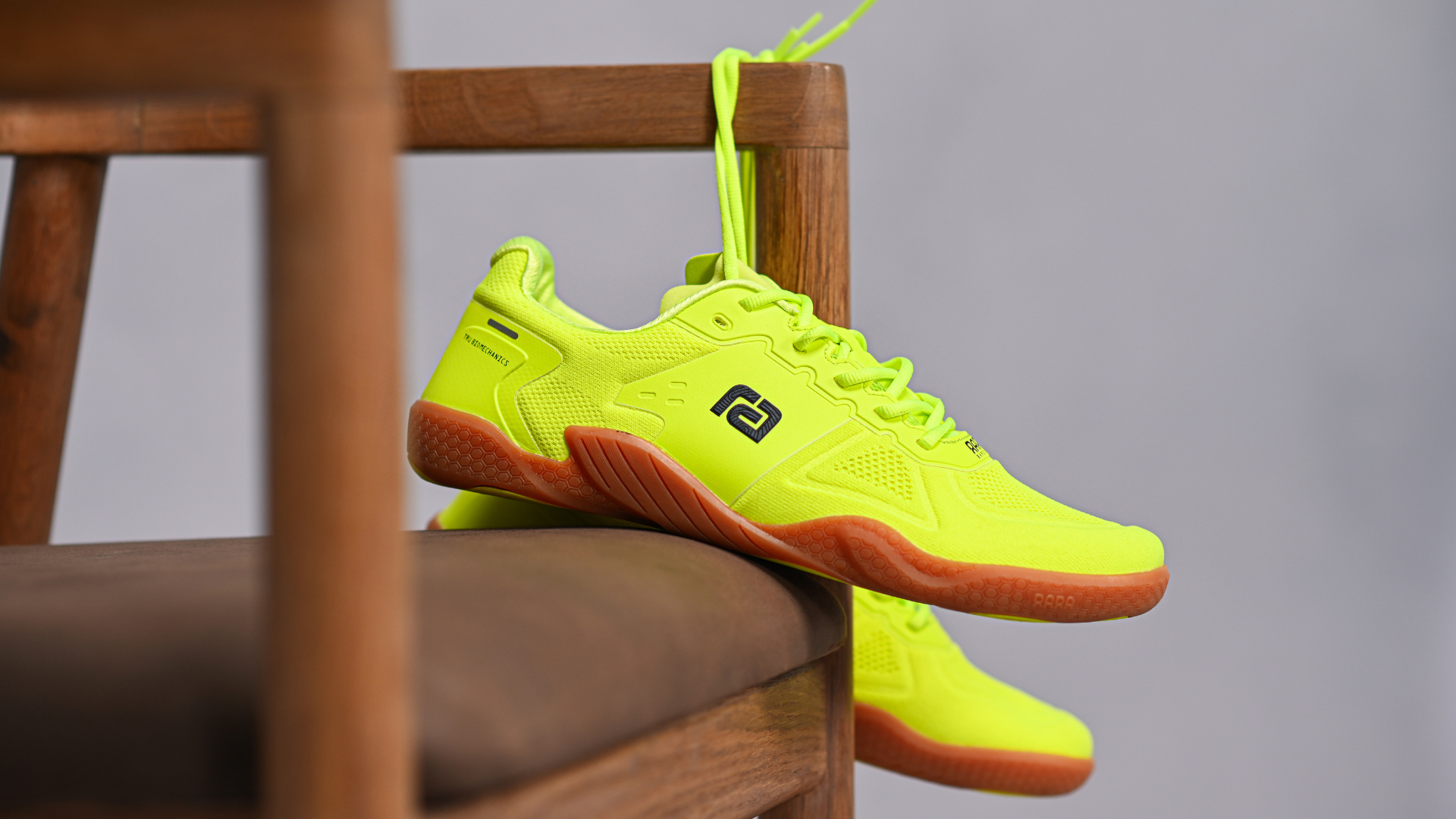
If you’re wondering what are barefoot shoes, they are designed to mimic the feeling of walking without shoes while still protecting your feet. Barefoot shoes are designed to preserve the foot’s natural position and movement rather than alter it. The sole is flat from heel to toe, so there is no heel elevation shifting your weight forward. The front is wide enough for the toes to sit and spread naturally, instead of being pushed together. The shoe bends easily because a foot is meant to bend, twist and adapt. There is no structured arch support trying to hold your foot in place and no rigid midsole deciding how much your foot should move. A good barefoot shoe does not try to guide your stride or correct your mechanics. It leaves space, stays flat and gets out of the way.
How Barefoot Shoes Work
Many beginners ask what are barefoot shoes, and the answer lies in their thin soles and flexible structure. The body already knows how to move. Most modern footwear interrupts that by dulling feedback and changing posture. Thick cushioning reduces how much you feel the ground, which makes heavy landings easier without noticing. Raised heels pitch your body forward and alter how force travels through your joints. Narrow toe boxes limit how much your toes can contribute to balance. When those factors are removed, movement starts to recalibrate. Heel striking feels harsher, so you naturally soften your landing. Steps become shorter and more controlled. Toes begin stabilising again instead of remaining passive. This is not something you actively learn. It is what happens when the interference is reduced and the body is allowed to respond.
Benefits of Barefoot Shoes
Understanding what are barefoot shoes can help you decide if a minimalist approach to footwear is right for your lifestyle. Most people notice strength first. Not instantly, but within weeks. The foot starts doing work again instead of sitting inside structure all day. Small muscles wake up. You feel it in balance, in how you push off, even in how you stand still. Posture shifts quietly. Remove the heel lift and you’re no longer leaning forward by default. Ankles sit under you, not behind you. Knees and hips follow. Balance improves for a simple reason. Toes finally have space. That changes your base immediately. You feel more stable, especially in side-to-side movement or single-leg work. Movement changes in a way that’s hard to fake in cushioned shoes. You stop overstriding because it feels wrong. You land lighter. Steps get shorter, quicker, more controlled. Running form improves not because you learned it, but because the shoe stopped letting you get away with poor mechanics. Load distribution shifts. Instead of dumping force into the heel and sending it upward, your foot and lower leg take more of it. That’s useful if you’ve built up to it. If not, your calves will let you know.
Are Barefoot Shoes Good for You?
For many people, yes, but not in the way it is often sold. The benefit comes from adaptation, not instant comfort. Someone who has spent years in cushioned, structured shoes is not starting from a neutral place. Foot muscles may be underused, tendons less conditioned, and movement patterns built around external support. Barefoot shoes can still be useful in that situation, sometimes very useful, but only when the transition is handled properly. When people treat them as a direct swap and push too hard too early, the experience usually turns negative. The concept works. The execution often doesn’t. Learning what are barefoot shoes can help you better understand how they may improve posture, balance and overall foot strength.
Who Should Use Barefoot Shoes
Many people today are asking what are barefoot shoes as they look for healthier alternative to conventional footwear. They tend to suit people who already have some level of physical activity. Strength training, sports or even regular walking gives a base that makes adaptation easier. Runners who are open to adjusting how they land often benefit, because the shoe does not allow the same heavy impact patterns. They also make sense for people who spend long hours on their feet and want something less restrictive, as long as they are willing to go through a short adjustment phase. The common thread is not performance level, it is willingness to adapt.
Who Should Avoid Them
They are not ideal for people who rely on structured footwear for specific medical reasons, where removing support can create more problems than it solves. They also do not suit anyone expecting immediate softness and cushioning. That is not what they are designed for. People who are unwilling to ease into the transition usually struggle as well, because the body is asked to take on more work without preparation.
How to Transition to Barefoot Shoes Safely
When learning what are barefoot shoes, it’s equally important to understand how to transition into wearing them safely. Start small. Short periods of wear during the day are enough in the beginning. Walking, standing and basic movement give your feet exposure without overload. Avoid jumping straight into running or intense training, which is where most problems start. Increase time first, then intensity. Expect tightness in the calves and some fatigue in the arches early on. That is a sign those areas are being used again. Sharp or worsening pain is different and should not be ignored. Simple strengthening and mobility work can help, but consistency matters more than complexity. The body adapts when the load is introduced gradually.
Types of Barefoot Shoes
If you’re researching what are barefoot shoes, it’s helpful to explore the different types available for various activities. Running barefoot shoes are stripped down. Light, flexible, with very little between your foot and the ground. Casual barefoot shoes are easier to live in for long hours, while keeping the same flat base and wide front. Hiking barefoot shoes add grip and durability for rough terrain but still avoid stiffness, because once the shoe becomes rigid it moves away from the barefoot concept. The use case changes, but the structure stays consistent.
How to Choose the Best Barefoot Shoes
If it doesn’t bend easily, reject it. If your toes can’t spread fully, reject it. If you feel pushed forward while standing, reject it. Those three checks eliminate most of what doesn’t work. Beyond that, marketing claims around cushioning, support or energy return are usually distractions. The point of a barefoot shoe is not to add more features, but to remove unnecessary ones.
Conclusion
To sum up, what are barefoot shoes is not just a question but a step towards more natural movement and comfort. Barefoot shoes are a response to how far modern footwear has drifted from the structure it is meant to serve. They do not try to control movement or correct the foot from the outside. They reduce interference and allow the body to handle more of the work. There is an adjustment period, and it is often underestimated. Once that phase is handled properly, the difference shows up in how stable, controlled and natural movement begins to feel.
FAQs
What are barefoot shoes used for?
Barefoot shoes are used for walking, training, daily wear and, for some people, running once the body has adapted. They are not limited to a single activity, but different activities demand different levels of adjustment.
Are barefoot shoes good for walking?
Yes. They can work very well for walking, especially over longer periods, because they do not restrict natural movement in the way conventional shoes often do.
Can beginners use barefoot shoes?
Yes, but the switch needs to be gradual. Beginners usually do fine when they treat the change as a transition rather than replacing their old shoes overnight.
Do barefoot shoes hurt at first?
They can feel uncomfortable in the beginning. That early discomfort is often just your feet and calves doing more work than they are used to. Managed properly, that usually settles as strength builds.

Leave a comment
This site is protected by hCaptcha and the hCaptcha Privacy Policy and Terms of Service apply.