
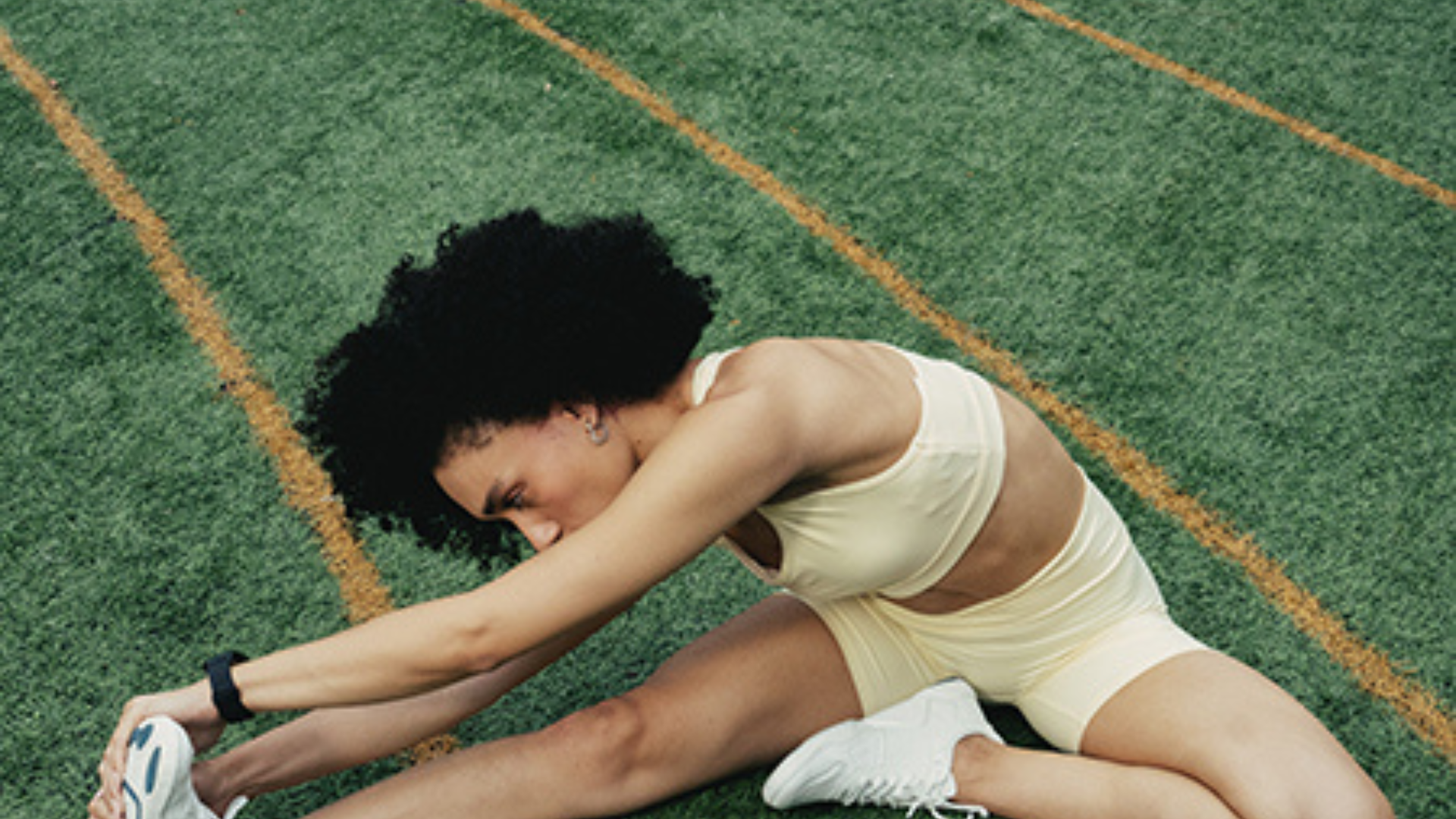
Barefoot Shoes for Women: Features, Benefits, and Tips
Women’s footwear has been shaping the foot for years.
Narrow fronts, raised heels, stiff soles. The design comes first, the foot adjusts later. It’s been normal for so long that most people don’t question it.
Barefoot shoes start from a different place. The foot has a shape. The shoe should follow it.
What Are Women Barefoot Shoes?
Women barefoot sneakers are gaining attention among people who prefer a more natural and comfortable way of moving.They’re built around the natural structure of the foot, not around styling conventions.
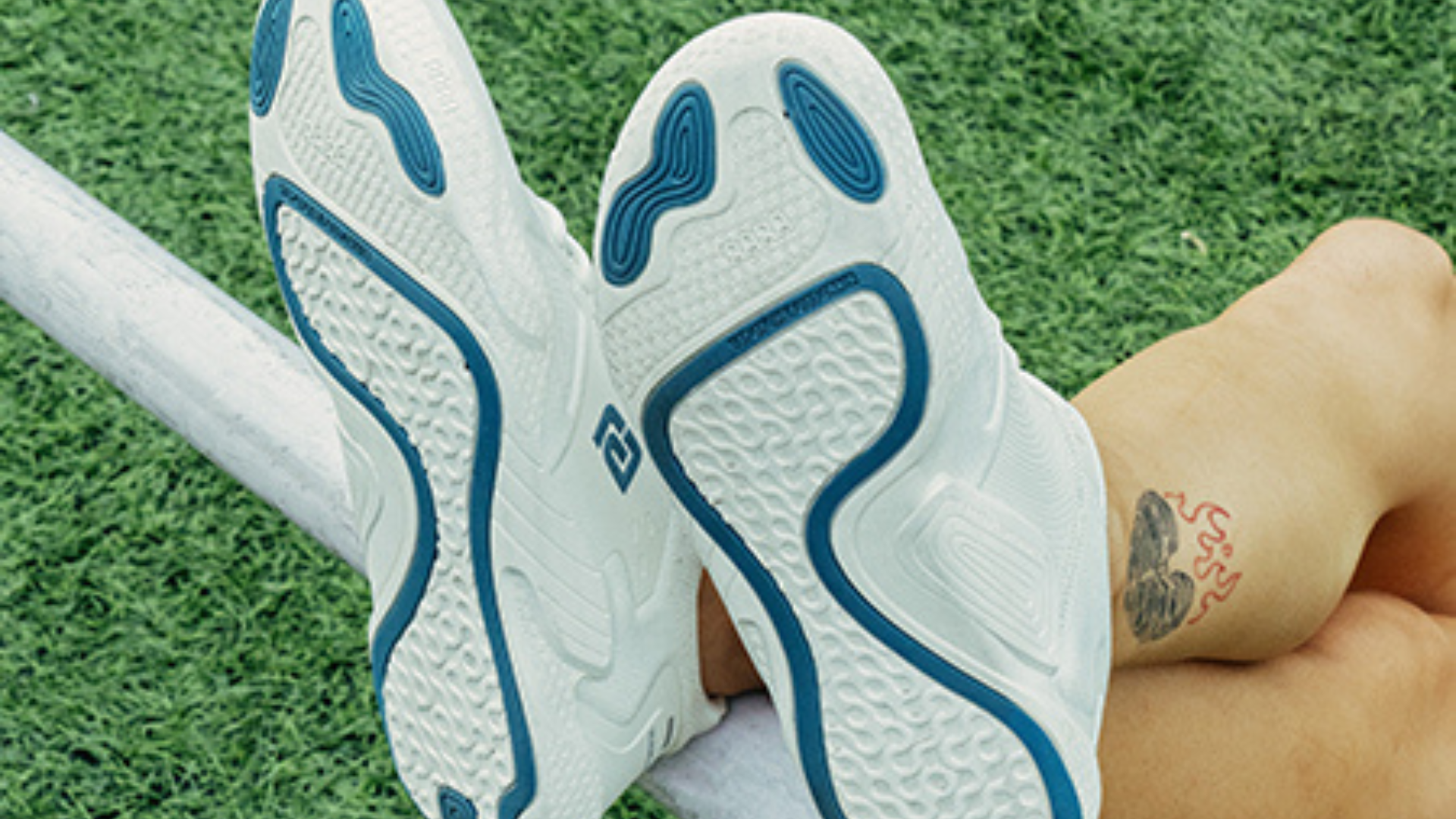
The front stays wide, so the toes are not pushed inward.
The platform stays flat. Heel and forefoot at the same level.
The sole bends easily, so the foot can move instead of sitting on a rigid base.
That’s the core. Natural shape. Natural posture. Natural movement.
Women barefoot sneakers are becoming a preferred choice for those who value comfort, natural movement and simplicity in footwear.
Key Characteristics of Barefoot Shoes
Women barefoot sneakers are redefining comfort. Designed to mimic the natural feel of walking barefoot, these shoes focus on simplicity, flexibility and freedom for your feet.
The front of the shoe doesn’t taper aggressively. Toes get space to sit and spread.
The sole doesn’t tilt the body forward. Weight stays more evenly distributed.
The structure doesn’t restrict movement. The foot is allowed to flex, load, and adapt.
It feels different at first. Then it starts feeling normal. Women barefoot sneakers also promote improved posture and stronger foot muscles over time.
Top Features of Barefoot Shoes for Women
Zero Drop Sole
No height difference between heel and toe.
Most shoes add a small lift. Over time, that changes how your weight sits through the day. Zero drop removes that.
Wide Toe Box
This is where most women’s shoes go wrong.
The front narrows, toes get compressed, and that shape gets accepted as standard. A wide toe box fixes that. The foot sits as it is.
Lightweight & Flexible Design
The shoe moves with the foot.
That shows up in small ways. Walking feels less restricted. Standing feels more stable. You’re not working against the shoe.
Benefits of Women Barefoot Sneakers
Nothing dramatic in the beginning. Then small things start stacking.
Women barefoot sneakers encourage promoting better balance and posture.
Improves Natural Posture
With no heel lift, your body is not pushed forward slightly all day.
It’s a small shift, but constant. Over time, stance feels more neutral.
Strengthens Foot Muscles
Most modern shoes reduce how much the foot has to work.
Barefoot shoes bring that work back. Muscles in the foot and lower leg start carrying more load again.
Same principle as the gym. Gradual load builds strength.
Enhances Balance and Stability
More room at the front creates a wider base.
You feel it while standing, walking, or training. Less constant adjustment.
Reduces Risk of Certain Injuries
Not because the shoe is doing more.
Because the foot is allowed to get stronger and more stable over time. The change comes from adaptation.
Promotes a Minimalist Way of Moving
Women barefoot sneakers are perfect for those who prefer a minimalistic way of moving. They allow your feet to function naturally while offering just enough protection for every day use.
Less structure, less interference.
Once you get used to that, heavily built shoes start feeling unnecessary.
Are Barefoot Shoes Good for Everyone?
They work for most people, but there’s an adjustment.
If your feet have been used to support and compression, they won’t suddenly do all the work comfortably.
Given time, they adapt.
How to Choose the Best Women Barefoot Shoes
Start with the shape.
Check the Sole Thickness
Keep it low. Around 4–8 mm works for most people starting out.
Enough protection, but still close to the ground.
Look for True Zero Drop
No hidden lift.
Heel and forefoot should sit level.
Ensure Proper Fit and Toe Space
Your toes should sit freely.
If they’re touching the front or pushed inward, the shoe isn’t doing its job.
Material and Breathability
Long hours, heat, daily wear.
The upper should feel light and breathable, not restrictive.
Activity-Based Selection
Walking, gym, running.
Pick based on what you actually do regularly.
Best Use of Barefoot Shoes
Daily wear is the easiest place to start.
Walking, standing, moving through the day. The foot adapts gradually without too much stress.
Running or higher-impact use comes later, once things feel natural.
Conclusion
Many users appreciate how women barefoot sneakers blend functionality with a simple, modern style, making them suitable for everyday outfits as well as active lifestyles.
The foot doesn’t need to be reshaped.
It’s built to balance, adapt, and carry the body efficiently. That design has been refined over time.
Barefoot shoes make sense because they respect that.
They give the foot space, keep it level, and allow it to move the way it’s meant to.
FAQs
Are women barefoot sneakers good for running?
Yes, but build into it. Start with short runs and increase gradually so your feet and lower legs can adapt.
Can beginners wear barefoot shoes daily?
Yes. Daily wear is the best way to start. It builds strength at a lower intensity.
Do barefoot shoes help with foot pain?
They can over time. As the foot gets stronger and movement improves, some types of discomfort reduce. It’s an adaptation process.
How long does it take to adjust?
A few weeks for most people to feel comfortable in daily use. Longer for running. It depends on how gradually you increase the load.

Leave a comment
This site is protected by hCaptcha and the hCaptcha Privacy Policy and Terms of Service apply.