
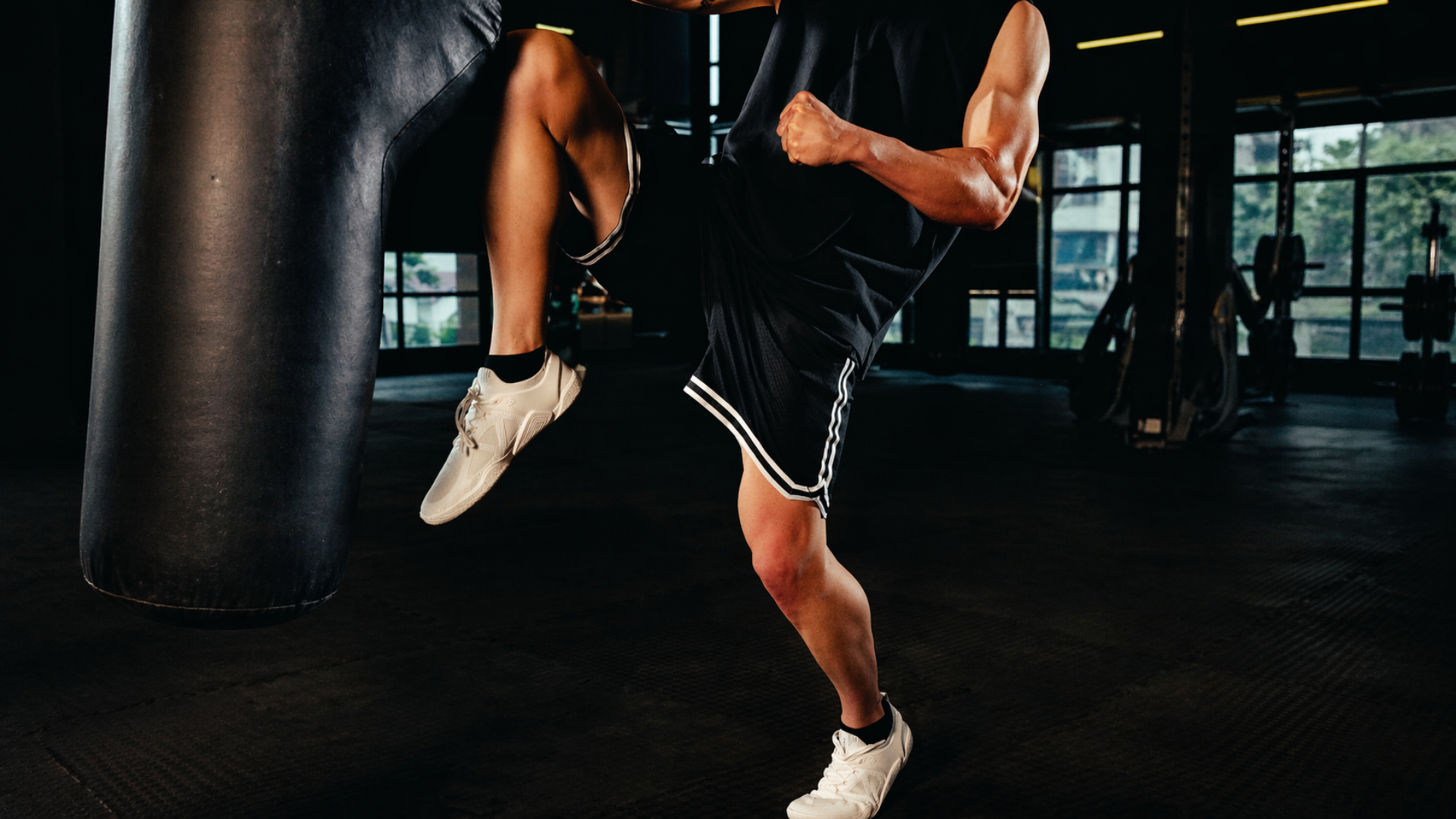
Best Training Shoes for Running and Lifting 2026: Expert-Tested
Watch a treadmill from the side. The runner lands, the shoe compresses, the foam rebounds, the body rolls forward and repeats it hundreds of times. Now look at a loaded barbell. The lifter sets, drives into the floor, and tries not to lose a millimetre of position. Two movements, two demands. One pair of shoes rarely serves both. For years, people tried to make it work anyway. One shoe for everything. It holds up at low intensity, then starts to break under pressure. The problem isn’t effort. It's a mismatch.
Why You Need Specialized Shoes for Weight Training and Running
Running is built around impact and repetition. The shoe absorbs force and keeps you moving forward without breaking rhythm. Weight training is the opposite. You’re not moving through space. You’re creating force and trying to keep your base stable while doing it. Cushioning that helps on a run introduces movement under a bar. A flat, rigid base that works for lifting feels harsh and inefficient over distance. These are not subtle differences once the demands increase. That’s why athletes who train seriously stop relying on one pair and start matching the shoe to the job. Choosing the right shoes for weight training can significantly improve stability and lifting performance.
What Makes Good Shoes for Weight Training
A good lifting shoe is judged by what it refuses to do. It should not compress when you load it. It should not shift under pressure. It should not narrow the base of your foot. The best ones feel uneventful. You set your stance and nothing moves unless you move it. Some designs add a raised heel. That’s not about comfort. It changes joint angles and can make certain positions easier to reach, especially in squats. Others stay completely flat and demand more from your mobility. Both approaches work. What matters is a stable interface between foot and floor. Unlike casual footwear, shoes for weight training prioritise control over comfort cushioning.
Problem with Regular Shoes in the Gym
General trainers are built for variety, not precision. Soft midsoles feel comfortable when you walk in. Under load, they deform. The deformation is small, but it introduces instability. The foot adjusts, the knee follows, and the bar path shifts. None of this is dramatic in isolation. Under heavier weight, it adds up. Narrow fits make it worse. When the toes can’t spread, the base shrinks. Stability becomes something you fight for instead of something you start with. Most people don’t notice until the load forces them to. Many common training injuries are linked to unstable footwear, which is why shoes for weight training are preferred.
How They Differ from Traditional Training Shoes
Traditional training shoes try to cover too many use cases. Cushioning for comfort, structure for support, flexibility for movement. It works until the demands get specific. A running-style sole compresses under load. That’s useful on the road, unstable under a bar. A general trainer adds structure, but still carries foam that moves when you don’t want it to. Barefoot and lifting-focused shoes remove that movement. No compression, no artificial tilt, no restriction at the forefoot. One absorbs force. The other transfers it.
Best Shoes for Weight Training and Running
Best for Heavy Lifting
Flat, firm, non-compressing. That’s the requirement. Barefoot gym shoes or dedicated lifting shoes both work. The difference is preference. Flat for direct contact. Raised heel if you need help hitting squat depth. Anything soft here becomes a problem under load.
Best for Running + Gym
This is a compromise category. You’re not optimising, you’re managing. Look for a denser midsole that doesn’t collapse easily, with enough cushioning to survive short runs. Stable enough for moderate lifts, forgiving enough for movement. It won’t excel at either end, but it won’t fail either.
Best Budget Pick
At lower price points, complexity drops. That helps. A firm sole, decent grip, simple build. That’s what lasts. Many budget shoes fail because they chase cushioning without the material quality to support it. That’s exactly what you don’t want.
Best for CrossFit & HIIT
These sessions expose weaknesses fast. You need a shoe that stays stable during lifts and doesn’t fall apart during jumps, sprints, and lateral movement. Denser foam, strong grip, secure upper. Too soft and you lose control. Too rigid and movement feels restricted.
How We Tested These Shoes
These weren’t just worn in workouts and called tested. They were put through controlled, repeatable testing in factory conditions using industrial-grade machines. Compression rigs measured how much the sole deforms under load, which tells you quickly whether a shoe will stay stable under a bar or start giving way. Flex testing machines bent the shoe thousands of times to see how well it holds shape over use, not just out of the box. Abrasion tests checked how the outsole grips and wears down against different surfaces. The point wasn’t to simulate a perfect session. It was to remove variables and see how the materials behave when pushed consistently. If a shoe starts to lose structure under controlled load, it will do the same in a real workout. That’s what this testing was meant to expose. In the end, the results of our testing helped identify the most reliable shoes for weight training.
How to Choose the Best Shoes for Weight Training
Stability vs Cushioning
This is the central trade-off. Cushioning absorbs impact and introduces movement. Stability removes that movement and gives you a firmer base. For lifting, stability wins. For running, cushioning matters. For mixed training, you’re choosing a balance, not a perfect solution.
Heel Drop Explained
Heel drop is the height difference between heel and forefoot. A higher drop shifts your body forward slightly and can make it easier to reach certain positions, like a deep squat. A flat shoe keeps you level and demands more from your mobility. Neither is universally better. Both change how force moves through your body.
Sole Type (Flat vs Cushioned)
Flat soles keep you close to the ground. Force transfer is direct. Cushioned soles absorb impact and are built for repetition. Using one in place of the other works until the demands increase.
Fit & Toe Box Width
Fit is functional. A wider toe box allows the forefoot to spread and increases surface area. That improves stability. A narrow fit reduces both. This detail is often ignored and makes a bigger difference than most features.
Breathability & Durability
Breathability affects how the shoe feels over long sessions. Durability affects how long it performs the same way. Some lightweight shoes break down quickly under repeated lifting. Some durable ones run hot. Both matter once you train regularly.
Running vs Weight Training Shoes – Key Differences
Running shoes compress and rebound. That’s how they manage impact. Training shoes resist compression. That’s how they maintain stability. Running shoes push you forward. Training shoes keep you grounded. The difference is obvious once the load or distance increases.
Key Benefits of Barefoot Gym Shoes
Flat base under load. No give, no drift. Clear ground feel. Toes can spread. Less force lost into cushioning. Fewer variables between you and the floor.
Common Mistakes to Avoid
Using soft running shoes for heavy lifts. Buying training shoes without checking if the sole compresses. Ignoring toe space. Switching footwear without adjusting load. The shoe changes how force is handled. Your body notices before you do.
Conclusion
Running and lifting place different demands on the body. Treating them as the same problem leads to average solutions. The right shoe doesn’t make you stronger or faster on its own. It removes limitations. For running, that means managing impact over distance. For lifting, that means creating a stable base under load. Most people start with one pair. The ones who care about performance eventually realise that one pair isn’t enough. As a result, shoes for weight training are preferred over regular shoes for serious strength training.
FAQs
Can I use running shoes for weight training?
You can. They compress under load and reduce stability. The heavier you go, the more obvious it becomes.
What shoes are best for squats and deadlifts?
Flat, firm shoes or dedicated lifting shoes. Stability matters more than cushioning.
Are cross-training shoes good for running?
They work for short runs. They’re not built for sustained impact over longer distances.
How long do training shoes last?
Six to twelve months with regular use, depending on build and how you train.

Leave a comment
This site is protected by hCaptcha and the hCaptcha Privacy Policy and Terms of Service apply.